
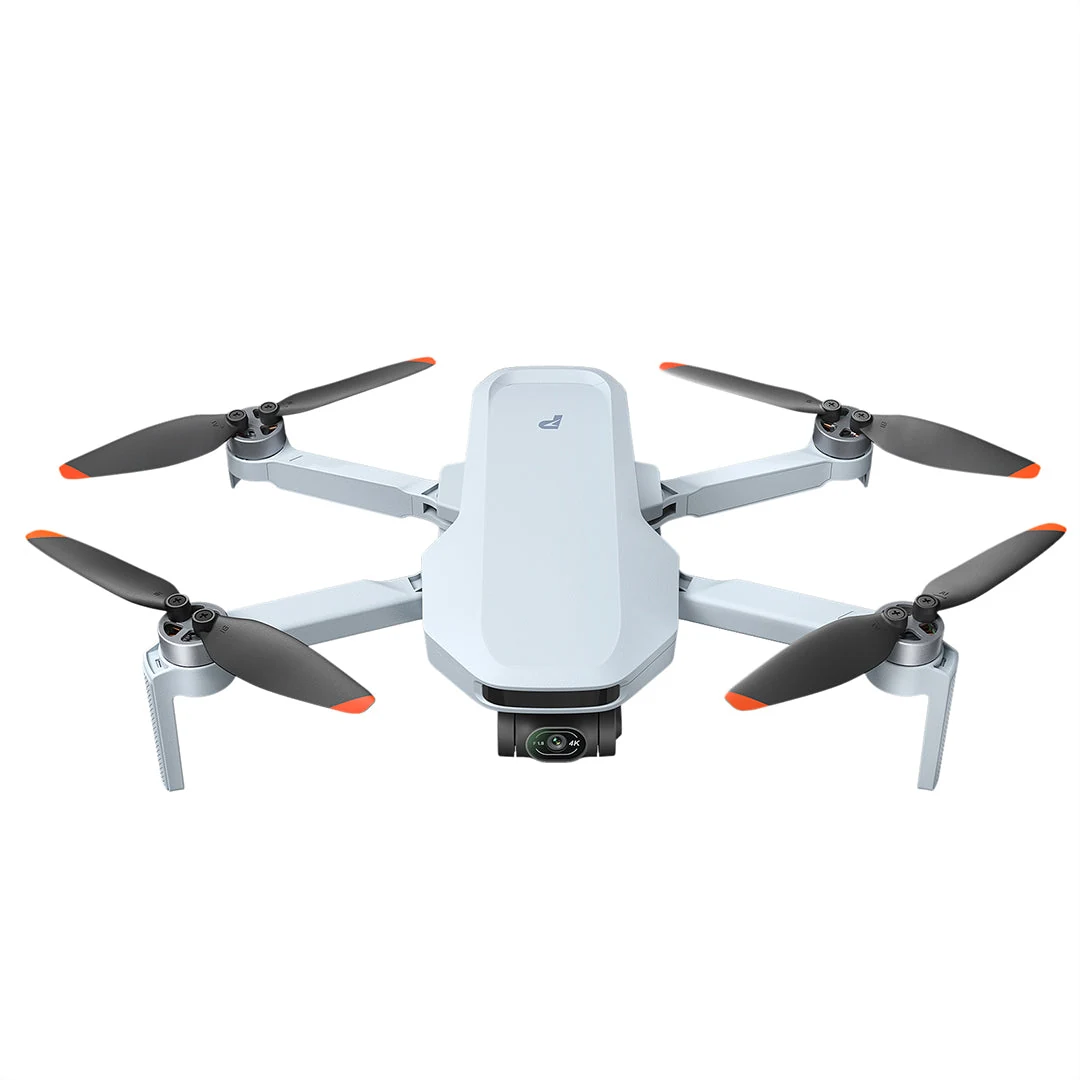
The DJI Mini 4K is one of the best drones for beginners who want stable flight controls, 4K video, and GPS-assisted flying at an affordable price. The Potensic ATOM 2 stands out for aerial photography, the DJI Mini 5 Pro offers advanced camera features and obstacle sensing, and the HOVERAir X1 Pro suits travel vloggers who prefer hands-free recording.
A first-time drone pilot needs more than a high-resolution camera. Flight stability, return-to-home functions, controller responsiveness, battery endurance, and replacement costs determine how practical a drone is during the first few flights. This guide compares seven beginner-friendly drones using manufacturer specifications, independently published reviews, available pricing, and the features that matter for each type of drone enthusiast.
Affiliate disclosure: This article contains Amazon affiliate links. We may earn a commission from qualifying purchases at no additional cost to you.
Best Drones for Beginners at a Glance
These seven drones serve different beginner needs. Conventional GPS camera drones suit aerial photography, automated selfie drones suit content creators, and FPV starter kits suit new pilots interested in manual flight.
| Drone | Best For | Reference Price | Camera | Maximum Flight Time | Key Feature |
|---|---|---|---|---|---|
| DJI Mini 4K | First-time camera pilots | $299 | 4K/30fps | 31 minutes | GPS and 3-axis gimbal |
| Potensic ATOM 2 | Beginner photographers | $359.99 | 4K/30fps | 32 minutes | RAW photos and AI tracking |
| DJI Mini 3 | Travel photographers | $419 | 4K/30fps | 38 minutes | True vertical shooting |
| DJI Mini 5 Pro | Premium aerial photography | From $739* | 4K/120fps | 36 minutes | 1-inch camera sensor and advanced sensing |
| DJI Neo 2 | Automated personal videos | $219* | 4K | Up to 19 minutes | Tracking and palm launch |
| HOVERAir X1 Pro | Travel vloggers | $499 | 4K/60fps | 16 minutes | Hands-free automated filming |
| EMAX Tinyhawk III Plus RTF | Beginner FPV pilots | $314.99 | Analog FPV | Short-session flying | Goggles and controller included |
For first-time aerial photographers, the DJI Mini 4K and Potensic ATOM 2 provide accessible entry points. The Mini 5 Pro offers considerably more advanced imaging capabilities but costs substantially more. For aspiring FPV pilots, the EMAX Tinyhawk III Plus provides a different learning experience with an included headset and controller.
What Are the Best Drones for Beginners in 2027?
1. DJI Mini 4K — Best Overall Drone for Beginners
Price: $299
Check DJI Mini 4K Price on Amazon
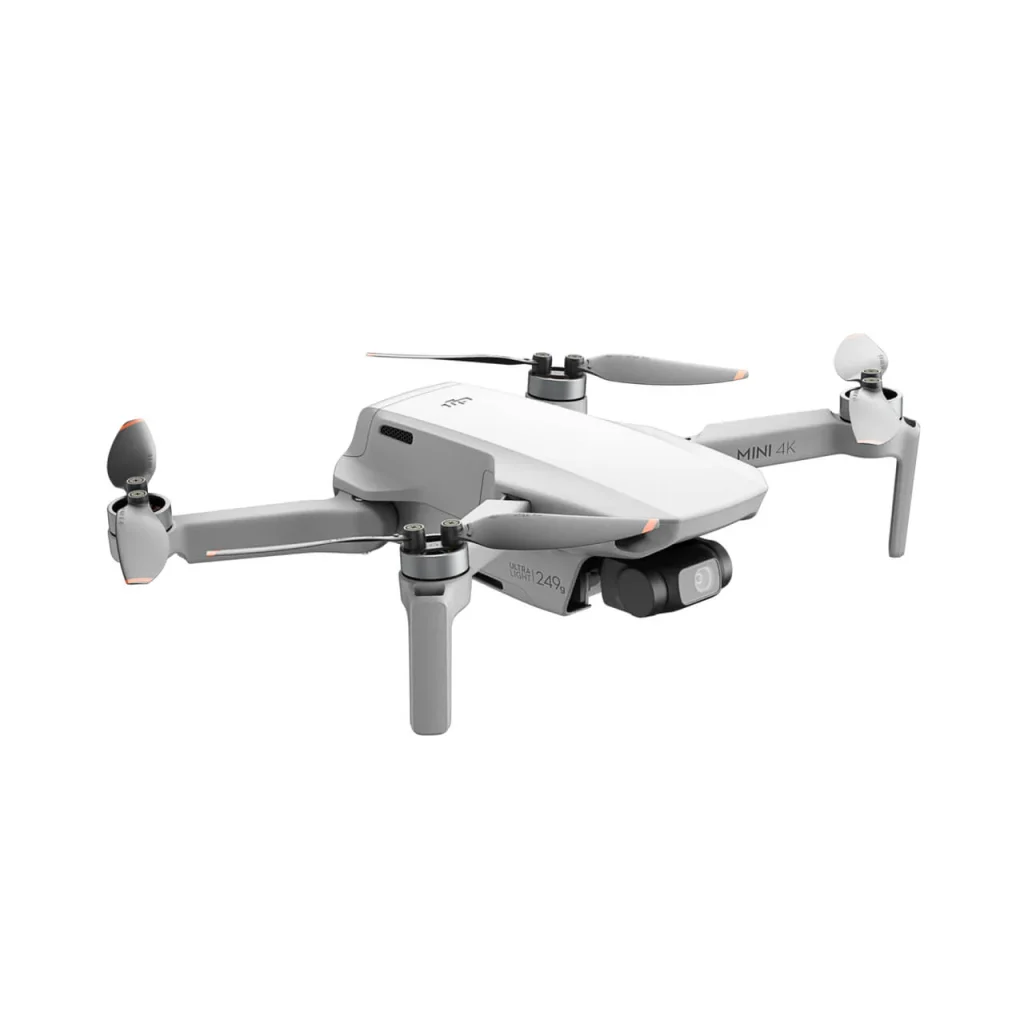
The DJI Mini 4K is a strong starting point for first-time drone pilots who want to learn outdoor aerial photography. Its 246 g folding body, GPS-assisted positioning, three-axis gimbal, and 4K camera provide the core features needed for conventional camera-drone flying without the cost of a premium model.
The drone uses a 1/2.3-inch CMOS sensor to capture 12MP photographs and 4K video at 30fps. Its mechanical gimbal stabilizes camera movement across three axes, keeping footage steady during controlled turns and changes in direction. GPS, GLONASS, and Galileo satellite positioning assist with stable hovering, while automatic return-to-home provides a recovery function when operating conditions permit.
DJI Mini 4K Specifications
| Feature | Specification |
|---|---|
| Weight | 246 g |
| Camera sensor | 1/2.3-inch CMOS |
| Photo resolution | 12MP |
| Maximum video resolution | 4K/30fps |
| Gimbal | 3-axis mechanical |
| Maximum flight time | 31 minutes |
| Transmission system | DJI O2 |
| Maximum advertised transmission distance | 10 km, FCC conditions |
| Satellite positioning | GPS, GLONASS, Galileo |
| Wind resistance | Up to 10.7 m/s |
| Return-to-home | Yes |
| Obstacle avoidance | No directional obstacle avoidance |
| Automated shooting | QuickShots and panorama |
| Storage | microSD card |
| Reference price | $299 |
Prominent features: GPS-assisted hovering, automatic return-to-home, 4K recording, mechanical camera stabilization, automated QuickShots, and a lightweight folding design.
The most important advantage is the combination of stable positioning and an approachable controller. Beginner drone enthusiasts spend less time correcting unintended movement and more time learning framing, camera positioning, and directional control.
The main limitation is the absence of directional obstacle avoidance. The Mini 4K does not automatically navigate around trees, wires, or buildings. Its smaller camera sensor also provides less imaging flexibility than premium drones in difficult lighting conditions.
Best for: First-time drone pilots, casual aerial photographers, and outdoor hobbyists who want a conventional camera drone.
Not ideal for: Drone enthusiasts who require automatic subject tracking or multidirectional obstacle sensing.
Verdict: The DJI Mini 4K delivers the essential features of a beginner camera drone at a relatively accessible reference price. It is the preferred starting point for learning conventional aerial photography when a legitimate, supported unit is available.
View DJI Mini 4K Deals on Amazon
2. Potensic ATOM 2 — Best DJI Alternative for Beginner Photography
Price: $359.99
Check Potensic ATOM 2 Price on Amazon
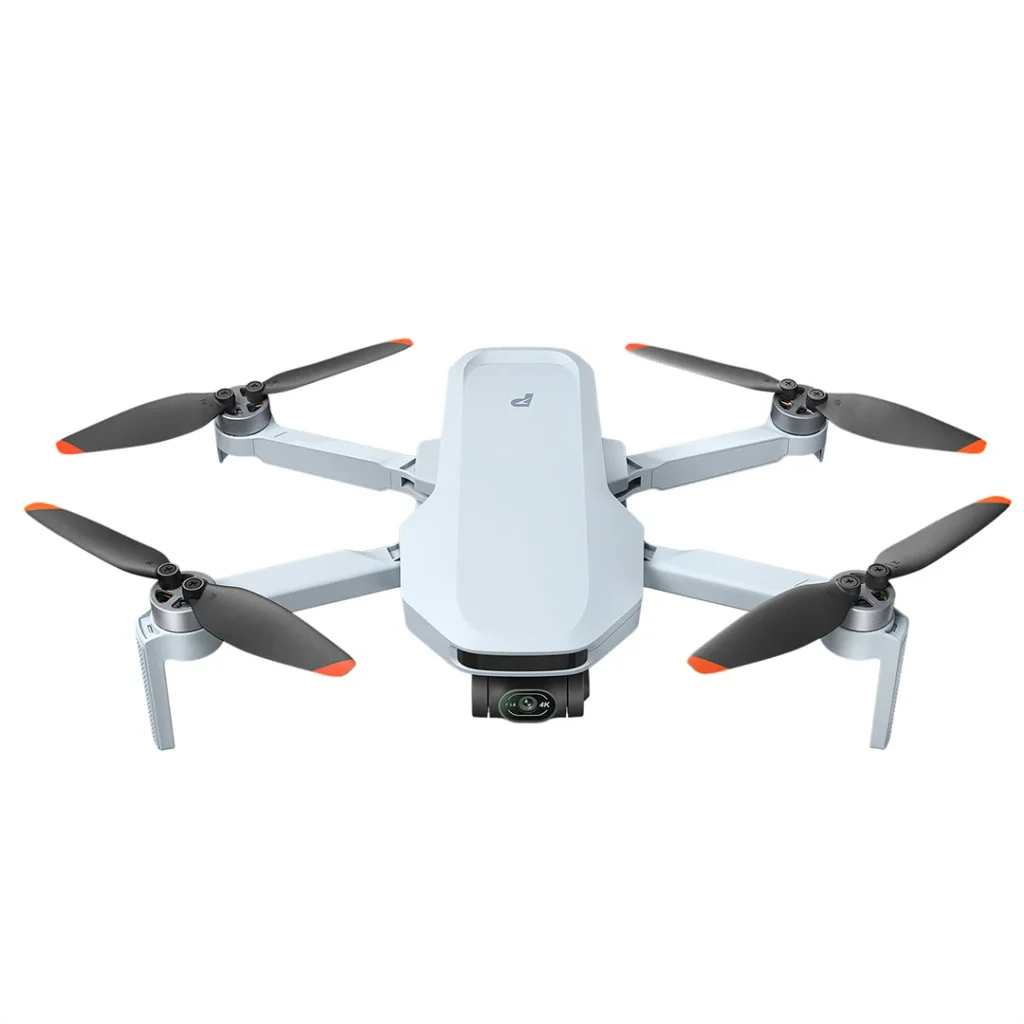
The Potensic ATOM 2 provides a photography-focused alternative for beginner drone enthusiasts who want RAW images, automated subject tracking, and 4K video. Its 1/2-inch CMOS sensor supports a 48MP photo mode, while the three-axis mechanical gimbal keeps the camera stable during flight.
The ATOM 2 records 4K video at 30fps and supports 12MP RAW/DNG photographs for editing. Its automated shooting functions include AI Follow, AI Spotlight, AI Parallel, and several programmed camera movements. These features give beginner content creators more recording options than a conventional entry-level drone without tracking.
Potensic ATOM 2 Specifications
| Feature | Specification |
|---|---|
| Weight | Under 249 g |
| Camera sensor | 1/2-inch CMOS |
| Photo resolution | Up to 48MP mode |
| RAW photography | 12MP DNG |
| Video | 4K/30fps |
| Gimbal | 3-axis mechanical |
| Maximum flight time | 32 minutes |
| Maximum hovering time | 29 minutes |
| Transmission range | Up to 10 km under specified conditions |
| Live video feed | 1080p |
| GNSS | GPS, GLONASS, Galileo, BeiDou |
| Wind resistance | Up to 38 km/h |
| Intelligent tracking | AI Follow, Spotlight, Parallel |
| Return-to-home | Yes |
| Directional obstacle avoidance | No |
| Standard reference price | $359.99 |
Prominent features: 48MP photo mode, RAW/DNG photography, AI subject tracking, automated cinematic movements, 4K video, GPS positioning, and mechanical stabilization.
The ATOM 2 suits drone photography beginners interested in editing aerial photos rather than relying entirely on automatic JPEG processing. RAW support provides additional flexibility when adjusting exposure and color in compatible editing software.
Its major limitation is the lack of directional obstacle avoidance. Automated tracking does not remove the risk of striking nearby objects, particularly in environments containing trees or other obstacles.
Best for: Beginner aerial photographers, creators interested in automated tracking, and drone enthusiasts exploring alternatives to DJI.
Not ideal for: First-time pilots who prioritize the lowest possible price or advanced collision-sensing systems.
Verdict: The ATOM 2 adds useful creative features for a modest increase over the Mini 4K’s published starting price. Its strongest advantages are RAW photography and automated tracking rather than the 48MP specification alone.
Compare Potensic ATOM 2 Bundles on Amazon
3. DJI Mini 3 — Best Drone for Beginner Travel Photography
Price: $419
Check DJI Mini 3 Price on Amazon
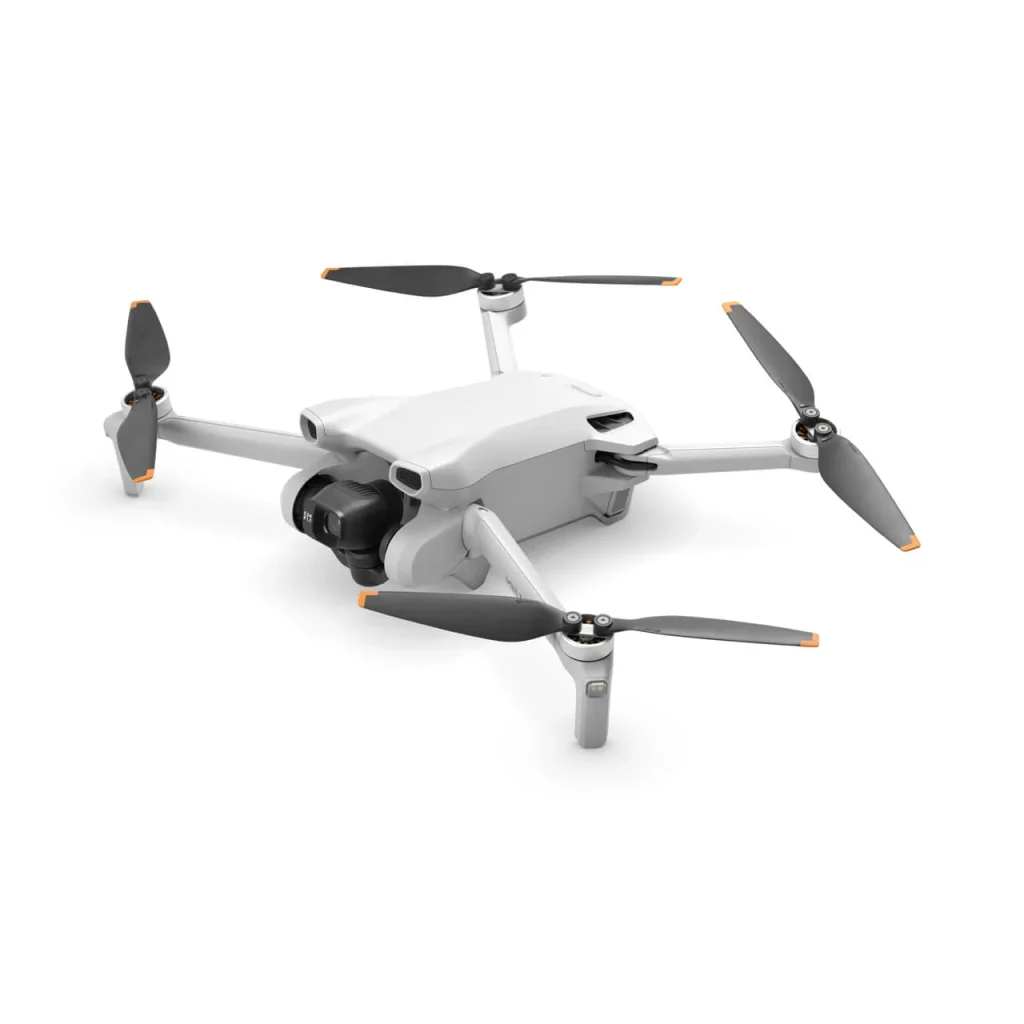
The DJI Mini 3 suits beginner travel photographers who want a compact camera drone with extended flight endurance and true vertical shooting. Its 1/1.3-inch CMOS sensor, 4K HDR video, three-axis gimbal, and 38-minute advertised maximum flight time provide more flexibility than basic camera drones.
The Mini 3’s camera captures 12MP and 48MP photo modes, while its rotating gimbal supports portrait-orientation photographs and video without depending entirely on cropping. This feature is particularly relevant to travel creators producing vertical content for social platforms.
DJI Mini 3 Specifications
| Feature | Specification |
|---|---|
| Weight | 248 g with standard battery |
| Sensor | 1/1.3-inch CMOS |
| Photography | 12MP and 48MP modes |
| Maximum video | 4K/30fps |
| HDR recording | Supported |
| Gimbal | 3-axis mechanical |
| Vertical shooting | Yes |
| Maximum flight time | 38 minutes |
| Optional Plus battery maximum | 51 minutes |
| GNSS | GPS, GLONASS, Galileo |
| Transmission | DJI O2 |
| Maximum range | 10 km FCC |
| Wind resistance | 10.7 m/s |
| Return-to-home | Yes |
| Directional obstacle avoidance | No |
| Reference price | $419 |
Prominent features: True vertical photography, 1/1.3-inch image sensor, 4K HDR recording, three-axis stabilization, longer advertised battery endurance, and a compact folding body.
The standard battery keeps the Mini 3 within the sub-250 g weight category. However, the optional Intelligent Flight Battery Plus increases aircraft weight, affecting applicable registration requirements.
Best for: Beginner travel photographers, landscape enthusiasts, and social-media creators.
Not ideal for: Pilots who need continuous automated subject tracking or multidirectional obstacle avoidance.
Verdict: The Mini 3 is a practical travel-oriented camera drone when offered at a competitive price. Its larger sensor and vertical camera rotation are the most meaningful reasons to consider it over the Mini 4K.
See DJI Mini 3 Offers on Amazon
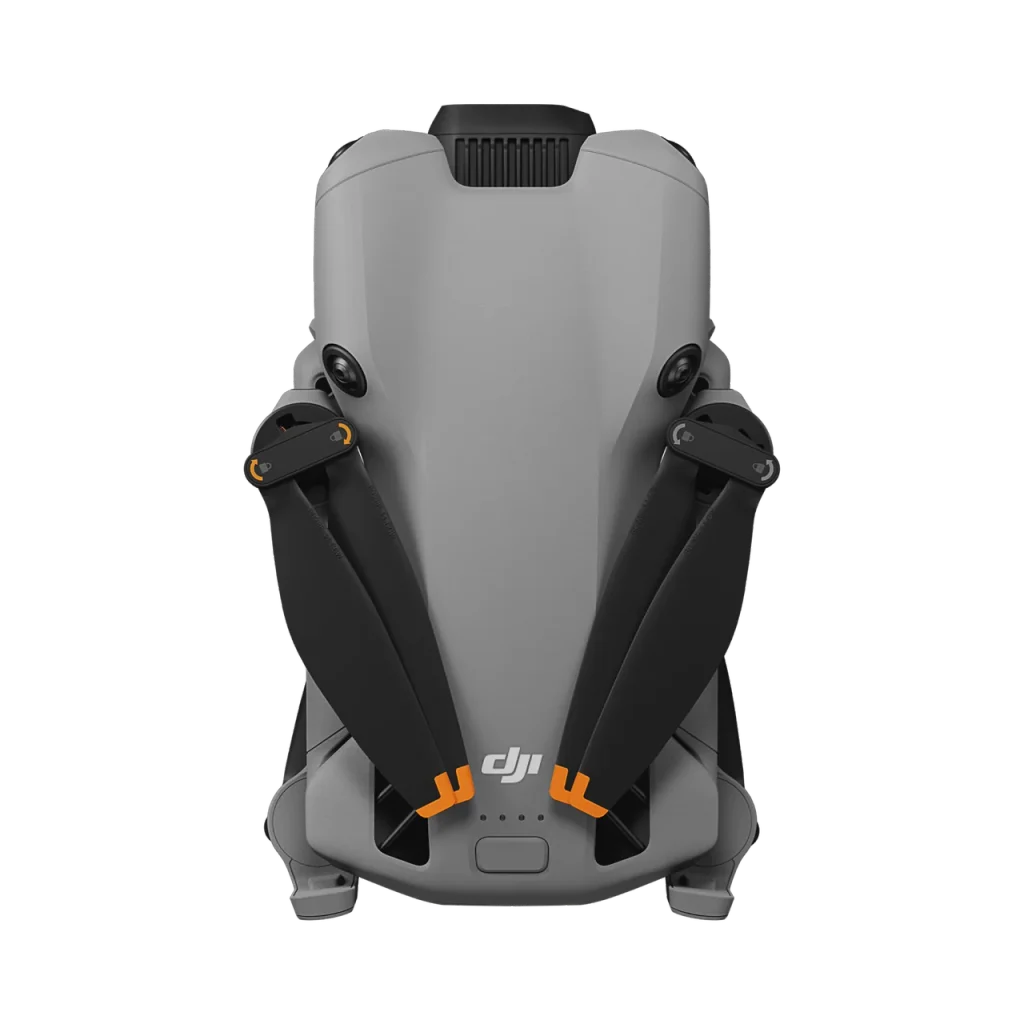
4. DJI Mini 5 Pro — Best Premium Drone for Beginners
Price: From $739 on a regional USD storefront
Check DJI Mini 5 Pro Availability on Amazon
The DJI Mini 5 Pro is an advanced camera-drone option for beginners who prioritize photography, video quality, and extensive obstacle sensing. Its one-inch CMOS sensor captures 50MP photographs and supports high-frame-rate 4K recording, while its omnidirectional vision system and forward-facing LiDAR provide broader sensing capabilities than entry-level drones.
The camera supports 4K recording at up to 120fps, advanced color-recording options, and extensive gimbal movement. Its ActiveTrack 360° functionality also supports automated subject filming.
DJI Mini 5 Pro Specifications
| Feature | Specification |
|---|---|
| Nominal weight | 249.9 g, with stated manufacturing tolerance |
| Sensor | 1-inch CMOS |
| Photo resolution | 50MP |
| Maximum video | 4K/120fps |
| HDR video | 4K/60fps |
| Gimbal | 3-axis mechanical |
| Gimbal roll movement | Up to 225° |
| Maximum standard flight time | 36 minutes |
| Published typical-flight example | 21 minutes |
| Optional Plus battery maximum | 52 minutes |
| Sensing | Omnidirectional vision and forward LiDAR |
| Tracking | ActiveTrack 360° |
| Return-to-home | Advanced Smart RTH |
| Internal storage | 42GB |
| Maximum transmission distance | 20 km FCC |
| Reference price | From $739, regional listing |
Prominent features: One-inch camera sensor, 50MP photography, 4K/120fps, omnidirectional obstacle sensing, forward LiDAR, advanced tracking, automated RTH, and internal storage.
The larger sensor and advanced recording options make the Mini 5 Pro suitable for drone enthusiasts interested in higher-quality image production. Its sensing systems are also more extensive than those available on the Mini 4K or ATOM 2.
The main drawback is price. US availability and support also require verification. Its nominal weight sits near the 250 g threshold, so registration status must not be assumed from the product category alone.
Best for: Beginners committed to aerial photography, advanced videography, and premium drone features.
Not ideal for: Casual pilots learning basic controls or anyone seeking an inexpensive first drone.
Verdict: The Mini 5 Pro offers the most advanced imaging and sensing features among the conventional camera drones compared here. It makes more sense as a premium photography purchase than as a universal first-drone recommendation.
Explore DJI Mini 5 Pro Offers on Amazon
5. DJI Neo 2 — Best Drone for Automated Beginner Videos
Price: $219 on a regional USD storefront
Check DJI Neo 2 Availability on Amazon
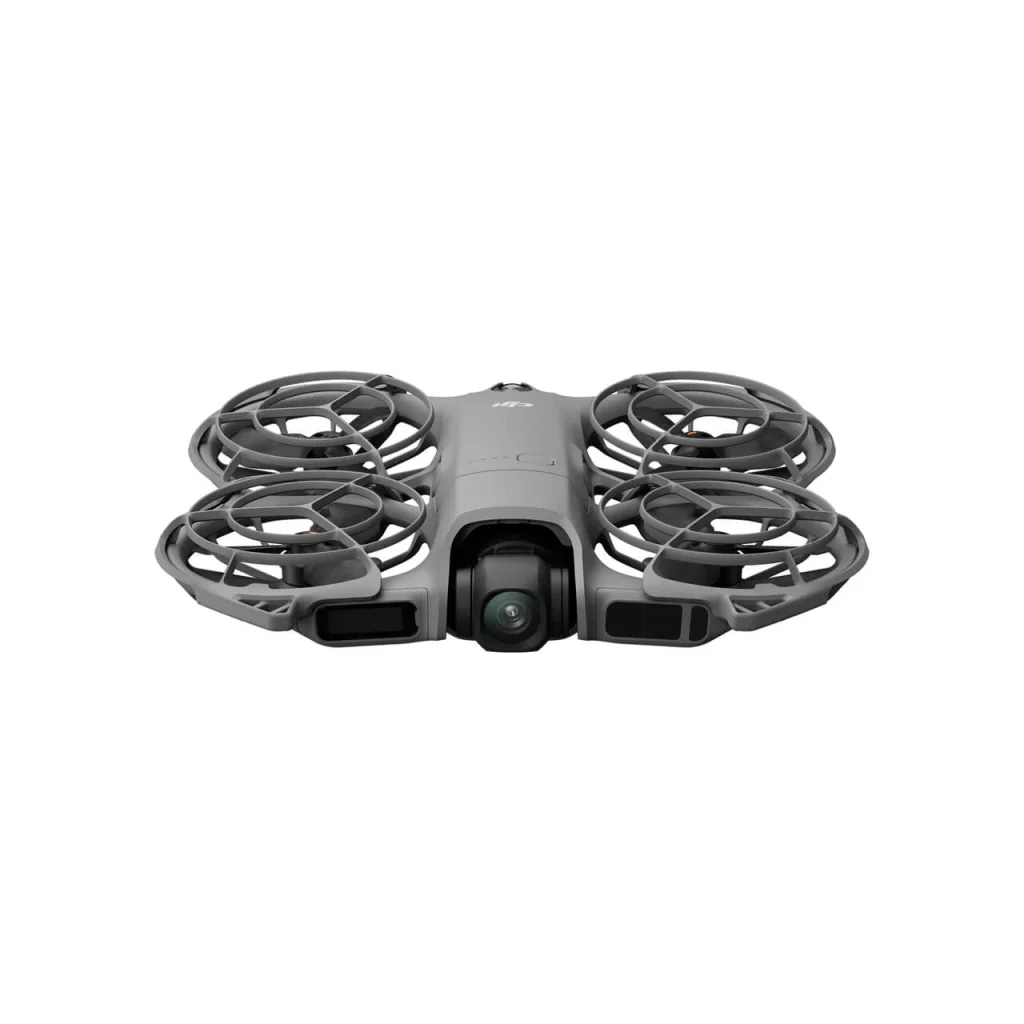
The DJI Neo 2 suits beginners who want short automated videos without immediately learning conventional camera-drone controls. Palm takeoff, gesture control, subject tracking, and automated filming functions make it particularly relevant to casual creators.
Its compact protected design supports short filming sessions, while intelligent tracking and automatic camera movements reduce the amount of direct flight control required for certain shots.
DJI Neo 2 Specifications and Features
| Feature | Detail |
|---|---|
| Drone type | Automated compact camera drone |
| Maximum advertised video | 4K |
| Maximum flight time | Up to 19 minutes |
| Launch | Palm takeoff and assisted launch |
| Landing | Assisted and palm landing |
| Tracking | ActiveTrack |
| Selfie recording | SelfieShot |
| Gesture control | Supported |
| Obstacle sensing | Omnidirectional sensing |
| Propeller protection | Full-coverage guards |
| Controller | Varies by package |
| Drone-only reference | $219 |
| Fly More drone-only reference | $289 |
| Controller-inclusive package reference | $359 |
Prominent features: Palm launch, gesture operation, automatic tracking, selfie recording, 4K video, protected propellers, and multiple control options.
The Neo 2 differs from the Mini 4K because its strongest features focus on automated personal content rather than conventional aerial photography. Its shorter endurance and package-dependent control options deserve particular attention.
Best for: Beginner vloggers, casual content creators, and drone enthusiasts interested in automated personal videos.
Not ideal for: Aerial photographers seeking extended flight sessions or traditional manual camera control.
Verdict: The Neo 2 provides an accessible automated filming experience, but it is not a direct replacement for a standard GPS camera drone.
View DJI Neo 2 Packages on Amazon
6. HOVERAir X1 Pro — Best Drone for Travel Vloggers
Price: $499
Check HOVERAir X1 Pro Price on Amazon
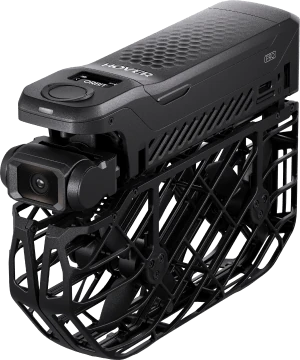
The HOVERAir X1 Pro is a compact self-flying camera for travel vloggers who want automated tracking and quick personal videos. Its 192 g folding design, 4K/60fps recording, palm launch, and intelligent flight modes prioritize convenience.
The X1 Pro uses a 1/2-inch sensor and provides 12MP photographs. Its automated follow and orbit functions suit short walking, cycling, and travel clips where the content creator appears in the footage.
HOVERAir X1 Pro Specifications
| Feature | Specification |
|---|---|
| Weight | 192 g |
| Sensor | 1/2-inch |
| Photos | 12MP |
| Maximum video | 4K/60fps |
| Maximum flight time | 16 minutes |
| Maximum horizontal speed | 11.7 m/s |
| Advertised wind resistance | Up to 10.7 m/s |
| Storage | 32GB built-in |
| Expandable storage | microSD |
| Automated tracking | Yes |
| Palm launch | Yes |
| Intelligent flight modes | Multiple automated modes |
| Full omnidirectional avoidance | No |
| Waterproof | No |
| Reference price | $499 |
Prominent features: Hands-free filming, intelligent subject tracking, 4K/60fps video, foldable lightweight design, palm launch, and automated flight paths.
Its 16-minute maximum flight duration is shorter than that of conventional Mini-series camera drones. The X1 Pro also emphasizes automated filming rather than manually controlled long-range aerial photography.
Best for: Solo travelers, lifestyle vloggers, and outdoor creators who want automated footage.
Not ideal for: Drone enthusiasts whose primary interest is conventional aerial landscape photography or long flying sessions.
Verdict: The HOVERAir X1 Pro provides a specialized solution for personal content creation. Its value comes from automated filming convenience rather than overall flight endurance.
Compare HOVERAir X1 Pro Kits on Amazon
7. EMAX Tinyhawk III Plus RTF — Best Beginner FPV Drone
Price: $314.99
Check EMAX Tinyhawk III Plus on Amazon
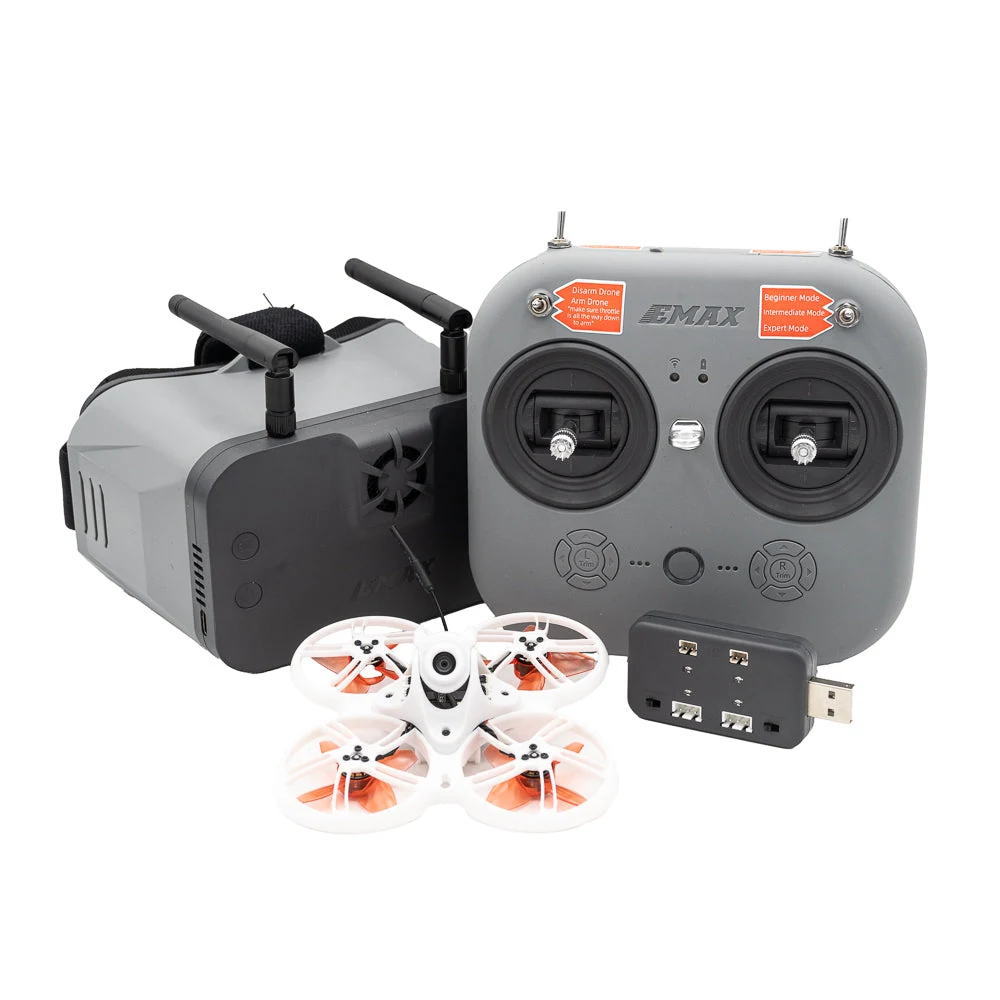
The EMAX Tinyhawk III Plus RTF provides an entry point into first-person-view drone flying. The complete package includes the aircraft, FPV goggles, radio controller, batteries, and charging equipment.
Unlike GPS camera drones, the Tinyhawk prioritizes maneuverability and manual control. Its compact protected frame is appropriate for learning FPV orientation and throttle coordination in suitable environments.
EMAX Tinyhawk III Plus Specifications
| Feature | Specification |
|---|---|
| Drone type | Micro FPV quadcopter |
| Platform | 76 mm |
| Camera | Analog FPV |
| Video transmission | 400 mW analog VTX |
| Radio protocol | ExpressLRS |
| Motors | Brushless |
| Propeller guards | Integrated |
| Controller | Included in RTF package |
| Goggles | Included in RTF package |
| Batteries | Included |
| Charger | Included |
| Flight type | FPV/manual skill development |
| Conventional GPS RTH | No |
| Automated obstacle avoidance | No |
| Reference price | $314.99 |
Prominent features: Complete FPV starter kit, integrated propeller protection, ExpressLRS control, analog video, compact airframe, and ready-to-fly components.
The primary limitation is the absence of GPS-assisted hovering and conventional automatic return-to-home. New FPV pilots must develop manual flight skills, and the flight experience differs substantially from a stabilized photography drone.
Best for: Aspiring FPV pilots interested in first-person flying, manual control, and freestyle progression.
Not ideal for: Beginners who mainly want smooth 4K aerial photography.
Verdict: The Tinyhawk III Plus RTF is a suitable starter candidate when the objective is FPV training rather than conventional camera flying.
Explore EMAX Tinyhawk III Plus Kits on Amazon
What Are The Best Drones for Beginners by Purpose?
Different drone types serve different beginner activities. The following comparisons focus on features that directly influence photography, video recording, travel, affordability, FPV, and obstacle avoidance.
Best Drones for Beginner Photography
The DJI Mini 5 Pro is the premium photography option, while the DJI Mini 3 and Potensic ATOM 2 offer more accessible camera capabilities. Beginner aerial photographers benefit from comparing sensor size, photo format, camera stabilization, and price rather than relying on megapixel counts alone.
| Drone | Camera Sensor | Photo Resolution | RAW Support | Stabilization | Best For |
|---|---|---|---|---|---|
| DJI Mini 5 Pro | 1-inch | 50MP | Yes | 3-axis gimbal | Premium photography |
| DJI Mini 3 | 1/1.3-inch | 12/48MP modes | Yes | 3-axis gimbal | Travel photography |
| Potensic ATOM 2 | 1/2-inch | 12/48MP modes | 12MP DNG | 3-axis gimbal | Photography value |
| DJI Mini 4K | 1/2.3-inch | 12MP | No native RAW stills | 3-axis gimbal | Casual daylight photos |
The Mini 5 Pro’s one-inch sensor provides greater image-capture potential than smaller-sensor alternatives, particularly when paired with appropriate exposure settings and processing. The Mini 3’s true vertical shooting suits travel photography and social content. The ATOM 2’s DNG capability provides editing flexibility at a lower price.
Photography recommendation: Choose the Mini 5 Pro for advanced imaging, the ATOM 2 for RAW photography at a lower price, or the Mini 3 for portable travel photography.
Shop photography drones:
Video comparison: DJI Mini 4K vs. Potensic ATOM 2 — DansTube.TV.
Best Drones for Beginner Videography
The DJI Mini 5 Pro offers the most advanced video features in this shortlist, while the Potensic ATOM 2 and DJI Mini 4K provide 4K recording at lower reference prices. Travel vloggers who prefer automated personal footage may find the HOVERAir X1 Pro more convenient.
| Drone | Maximum Video | Camera Stabilization | Automated Tracking | Best Use |
|---|---|---|---|---|
| DJI Mini 5 Pro | 4K/120fps | Mechanical gimbal | ActiveTrack 360° | Advanced aerial videos |
| Potensic ATOM 2 | 4K/30fps | Mechanical gimbal | AI tracking | Automated aerial footage |
| DJI Mini 4K | 4K/30fps | Mechanical gimbal | No continuous tracking | Basic aerial video |
| HOVERAir X1 Pro | 4K/60fps | Stabilized capture | AI tracking | Personal travel content |
| DJI Neo 2 | 4K | Stabilized capture | ActiveTrack | Automated selfie videos |
Aerial videographers need to consider stabilization, dynamic range, camera movement, and frame rates. The Mini 5 Pro provides more advanced recording options, whereas the Mini 4K focuses on smooth basic footage. The HOVERAir X1 Pro prioritizes automatically following a subject.
Videography recommendation: Choose the Mini 5 Pro for advanced recording, the ATOM 2 for affordable automated features, or the HOVERAir X1 Pro for hands-free video.
Compare Beginner 4K Drones on Amazon
Best Budget Drones for Beginners
The DJI Mini 4K is a practical entry-level GPS camera drone at its published $299 reference price. The DJI Neo provides a lower-priced automated filming option, while the ATOM 2 adds camera and tracking features for a higher cost.
| Drone | Reference Price | Camera | GPS Camera Flying | Main Advantage |
|---|---|---|---|---|
| DJI Neo | $169 | 4K | Different automated operating approach | Low-cost automated filming |
| DJI Mini 4K | $299 | 4K/30fps | Yes | Conventional camera controls |
| Potensic ATOM 2 | $359.99 | 4K/30fps | Yes | RAW photography and tracking |
| EMAX Tinyhawk III Plus RTF | $314.99 | Analog FPV | No | Complete FPV training kit |
A first-time camera pilot gains more from reliable positioning and a mechanical gimbal than from a low-cost drone with unstable footage. However, an aspiring FPV pilot has different priorities and may benefit more from a complete micro-FPV kit.
Budget recommendation: Choose the Mini 4K for outdoor camera flying, the Neo for casual automated videos, or the Tinyhawk III Plus for FPV learning.
Shop Budget Drones for Beginners on Amazon
Best Drones for Travel and Vlogging
The HOVERAir X1 Pro is designed for automated personal content, while the DJI Mini 3 suits travel photographers who want direct camera control. The DJI Neo 2 provides another compact automated-filming option.
| Drone | Weight | Tracking | Maximum Flight Time | Best Travel Activity |
|---|---|---|---|---|
| HOVERAir X1 Pro | 192 g | Yes | 16 minutes | Hands-free travel clips |
| DJI Neo 2 | Lightweight compact design | Yes | Up to 19 minutes | Short personal videos |
| DJI Mini 3 | 248 g | No continuous tracking | 38 minutes | Aerial landscapes |
| DJI Mini 5 Pro | Approximately 249.9 g | Yes | 36 minutes | Premium travel filming |
Travel vloggers benefit from quick setup and reliable automatic framing. Landscape photographers benefit from a capable camera sensor, gimbal movement, and useful flight endurance.
Travel recommendation: Choose the HOVERAir X1 Pro for self-filming, the Mini 3 for aerial landscapes, or the Mini 5 Pro for advanced travel photography.
Best FPV Drones for Beginners
The EMAX Tinyhawk III Plus RTF provides a complete entry-level FPV package with goggles and a controller. New FPV pilots should compare complete kit contents, flight modes, repairability, and component compatibility before selecting a drone.
| FPV Drone | Reference Price | Goggles | Controller | Main Use |
|---|---|---|---|---|
| EMAX Tinyhawk III Plus RTF | $314.99 | Included | Included | Basic FPV training |
| EMAX Tinyhawk III Plus Freestyle RTF | $324.99 | Included | Included | Freestyle progression |
| BetaFPV Cetus X FPV Kit | $259.99 sale reference | Included | Included | Introductory FPV |
FPV drones prioritize control responsiveness and maneuverability rather than stabilized aerial video. New pilots gain experience through throttle control, orientation, turning, and progressive flight modes.
FPV recommendation: The Tinyhawk III Plus RTF is the preferred complete-kit starting candidate. Check exact kit configurations before ordering.
Compare FPV Starter Kits on Amazon
Best Drones with Obstacle Avoidance for Beginners
The DJI Mini 5 Pro has the most extensive published obstacle-sensing system among the conventional camera drones compared here. The Neo 2 also offers omnidirectional sensing, but serves a different automated-filming purpose.
| Drone | Obstacle Sensing | Return-to-Home | Primary Limitation |
|---|---|---|---|
| DJI Mini 5 Pro | Omnidirectional vision, forward LiDAR | Advanced RTH | Premium cost and market availability |
| DJI Neo 2 | Omnidirectional sensing | Automated recovery capabilities | Shorter flight endurance |
| DJI Mini 3 | Downward positioning only | RTH | No full directional avoidance |
| DJI Mini 4K | Downward positioning only | RTH | No directional avoidance |
| Potensic ATOM 2 | Downward positioning only | RTH | Tracking without directional avoidance |
Obstacle sensing depends on the drone’s sensors, environmental lighting, surface characteristics, and speed. Automated avoidance does not guarantee collision-free flying.
Obstacle-avoidance recommendation: The Mini 5 Pro is the premium conventional camera-drone candidate for comprehensive sensing, provided regional availability is confirmed.
View Obstacle-Avoidance Drones on Amazon
How to Choose the Best Drone for Beginners
Flight Stability and Ease of Control
GPS-assisted position holding is particularly useful for first-time outdoor camera pilots. Satellite positioning, flight controllers, and onboard sensors help a drone maintain its position without constant stick corrections.
The DJI Mini 4K, DJI Mini 3, and Potensic ATOM 2 provide GNSS-assisted outdoor flight. FPV micro drones such as the Tinyhawk III Plus follow a different control approach and require greater manual skill.
GPS and Return-to-Home Features
Return-to-home guides a compatible drone toward its recorded home point under suitable operating conditions. Successful recovery depends on positioning accuracy, battery reserves, wind, home-point settings, and obstacles along the route.
The Mini 4K and ATOM 2 provide RTH without advanced directional obstacle avoidance. The Mini 5 Pro includes a more extensive sensing system.
Obstacle Avoidance and Safety Features
Obstacle-sensing systems differ in coverage and response. A downward positioning sensor does not offer the same capabilities as omnidirectional detection.
Beginners flying in open areas may find a basic GPS drone sufficient. Drone enthusiasts interested in automated tracking benefit from understanding sensor coverage, detection limitations, and safe operating conditions.
Camera Quality and Gimbal Stabilization
Camera sensor size, stabilization, optics, and recording modes influence image quality beyond the advertised resolution. The Mini 4K uses a 1/2.3-inch sensor, the ATOM 2 uses a 1/2-inch sensor, and the Mini 5 Pro uses a one-inch sensor.
A three-axis mechanical gimbal physically stabilizes the camera during aircraft movement. RAW photo capability also matters to aerial photographers editing images after capture.
Battery Life and Real Flight Time
Advertised maximum flight time describes operation under specific manufacturer test conditions. Practical endurance changes with wind, speed, temperature, battery condition, and flight behavior.
The Mini 4K advertises 31 minutes, the ATOM 2 advertises 32 minutes, and the Mini 3 advertises 38 minutes with its standard battery. Additional batteries provide more total session time but increase the full kit cost.
Wind Resistance and Transmission Range
Wind affects drone stability, battery consumption, and return capability. Manufacturer wind-resistance ratings describe operating limits under particular conditions, not ideal weather for beginner flights.
Similarly, a drone’s maximum advertised transmission range does not establish a legally permitted flying distance. US recreational operators must comply with visual-line-of-sight rules and applicable airspace restrictions.
Controller and App Experience
Conventional remote controllers provide direct stick control for aerial photography. Automated personal drones offer alternative interfaces, including smartphones, gestures, and programmed flight modes.
First-time pilots should compare controller inclusion, app compatibility, screen visibility, charging requirements, and whether additional equipment is necessary.
How Much Should You Spend on Your First Drone?
A budget of approximately $250–$500 includes several capable entry-level camera drones and FPV kits, depending on current availability. The best price range depends on the intended flying activity.
Beginner Drones Under $100
Sub-$100 drones primarily suit basic flight experimentation. Camera stabilization, positioning systems, flight endurance, and recovery functionality are often limited.
These aircraft can support early orientation practice, but inexpensive hardware does not necessarily make manual flying easier.
Beginner Drones Between $100 and $300
This range includes compact automated drones and entry-level camera options such as the published $299 Mini 4K.
The main decision is whether the drone serves automated personal filming or conventional GPS-assisted camera flying.
Beginner Drones Between $300 and $500
The Potensic ATOM 2, DJI Mini 3 at its published reference price, HOVERAir X1 Pro, and Tinyhawk III Plus occupy different parts of this range.
The ATOM 2 suits photography, the Mini 3 emphasizes travel imaging, the HOVERAir X1 Pro serves personal filming, and the Tinyhawk offers FPV training.
Are Expensive Drones Worth It for Beginners?
Premium drones make sense when their advanced features support a specific activity. The Mini 5 Pro’s larger sensor, advanced video modes, and obstacle sensing are valuable to committed aerial content creators.
Casual pilots often gain enough practical functionality from simpler models.
Additional ownership costs include batteries, charging accessories, memory cards, protective cases, replacement propellers, repair services, and applicable registration fees. Comparing complete kit contents is more useful than comparing drone-only prices.
Which Type of Drone Is Best for Your First Flight?
Camera Drones vs. Toy Drones
Camera drones prioritize image capture, position holding, and stable filming. Toy drones emphasize affordability and basic flying.
The DJI Mini 4K is better suited to beginners interested in aerial photography, while a basic toy drone can serve short recreational practice sessions.
GPS Drones vs. Non-GPS Drones
GPS drones provide satellite-assisted outdoor positioning. Non-GPS drones rely on different sensors or manual control techniques.
Conventional beginner photographers benefit from GPS-assisted stability. New FPV pilots often develop manual control skills using aircraft without conventional GPS hovering.
FPV Drones vs. Standard Camera Drones
FPV drones provide a first-person camera view and prioritize maneuverability. Standard camera drones emphasize stable positioning and controlled aerial photography.
The Tinyhawk III Plus suits FPV learning. The Mini 4K and ATOM 2 suit conventional camera operation.
Indoor vs. Outdoor Drones
Indoor drone practice benefits from compact aircraft and protected propellers. Outdoor camera flying benefits from reliable positioning, appropriate wind tolerance, and a suitable operating area.
A conventional outdoor camera drone is not automatically appropriate for indoor practice.
What Should Beginners Know Before Flying a Drone?
Basic Drone Registration and Flying Rules
US recreational drone pilots generally register drones weighing 250 g or more, complete the FAA’s TRUST test, and follow applicable airspace and operational requirements.
Drones below 250 g may qualify for the recreational registration exemption, but pilots still comply with relevant operating rules. Other operations can require registration regardless of the aircraft’s weight.
Choosing a Safe Place for Your First Flight
An open, permitted outdoor area with manageable wind and few obstacles provides a suitable setting for initial practice.
First-time pilots check battery levels, controller connection, positioning status, airspace requirements, and return-to-home settings before takeoff.
Common First-Flight Mistakes
Common mistakes include misunderstanding obstacle sensing, ignoring wind conditions, flying too far before developing control skills, relying excessively on RTH, and allowing insufficient battery reserves for landing.
Another frequent purchasing mistake is choosing a drone solely because it advertises 4K video without considering stabilization, camera sensor quality, and the intended filming activity.
How We Evaluate Beginner Drones
This guide compares beginner drones using official manufacturer specifications, documented product features, independent review findings, published prices, and the needs of specific types of first-time pilots.
Flight stability, controller setup, GNSS functionality, return-to-home, camera performance, battery endurance, obstacle sensing, kit contents, and ownership value determine each editorial recommendation.
Manufacturer maximum flight times and transmission distances remain labeled as advertised values. No proprietary hands-on flight test, crash-resistance test, or controlled camera comparison is claimed where original test evidence is unavailable.
Frequently Asked Questions
What is the easiest drone to fly for a complete beginner?
The DJI Mini 4K is a strong option for conventional beginner camera flying because it combines GNSS positioning, assisted flight controls, a mechanical gimbal, and automatic return-to-home.
Is a drone under 250 grams better for beginners?
A sub-250 g drone offers portability and possible US recreational registration advantages. Weight alone does not determine stability, camera performance, or overall flight safety.
Can beginners fly drones without GPS?
Yes. Beginners fly non-GPS toy and FPV drones, but these aircraft may require greater manual control or different positioning systems.
Is it better to buy a cheap drone first?
An inexpensive drone suits basic experimentation, but a capable GPS drone is often more practical for learning stable outdoor camera flying.
Do beginner drones need obstacle avoidance?
Obstacle avoidance is useful but not essential for every beginner. Its value depends on the flying environment, automated filming needs, and available budget.
How long does it take to learn to fly a drone?
Basic assisted takeoff, hovering, and landing require less practice than advanced camera movements, manual FPV flying, and coordinated maneuvers. Learning time depends on the aircraft and individual experience.
Should a beginner buy a new or used drone?
A new drone provides a clearer starting point for warranty coverage and battery history. Used drones may reduce initial cost but require inspection of batteries, motors, camera systems, and account-binding status.
Can one drone be suitable for photography and FPV?
Some drone ecosystems support immersive viewing, but conventional photography drones and freestyle FPV aircraft have different strengths. The intended activity determines the appropriate setup.
Do beginners need extra drone batteries?
Extra batteries extend the total time available for flying sessions. Their value depends on the aircraft’s endurance, recharge time, and frequency of use.
Can a beginner drone remain useful after gaining experience?
Yes. Entry-level camera drones continue to serve travel photography, casual filming, and recreational flights even after pilots gain experience.
Final Verdict: Which Drone Is Best for Beginners?
The DJI Mini 4K remains our preferred entry-level conventional camera drone, combining GPS-assisted positioning, a three-axis gimbal, 4K recording, and an accessible published price.
The Potensic ATOM 2 is a strong alternative for beginner photographers interested in RAW images and automated tracking. The DJI Mini 5 Pro offers the most advanced camera and sensing features in this shortlist but requires a larger budget and additional availability checks.
For travel vloggers focused on hands-free recording, the HOVERAir X1 Pro serves a more specialized role. For aspiring FPV pilots, the EMAX Tinyhawk III Plus RTF provides a complete training-oriented package.
Compare current offers before purchasing:
| Recommended Drone | Intended Use | Amazon Link |
|---|---|---|
| DJI Mini 4K | First camera drone | Check Price |
| Potensic ATOM 2 | Beginner photography | Check Price |
| DJI Mini 3 | Travel photography | Check Price |
| DJI Mini 5 Pro | Premium imaging | Check Availability |
| DJI Neo 2 | Automated personal videos | Check Availability |
| HOVERAir X1 Pro | Hands-free travel videos | Check Price |
| EMAX Tinyhawk III Plus | Beginner FPV | Check Price |